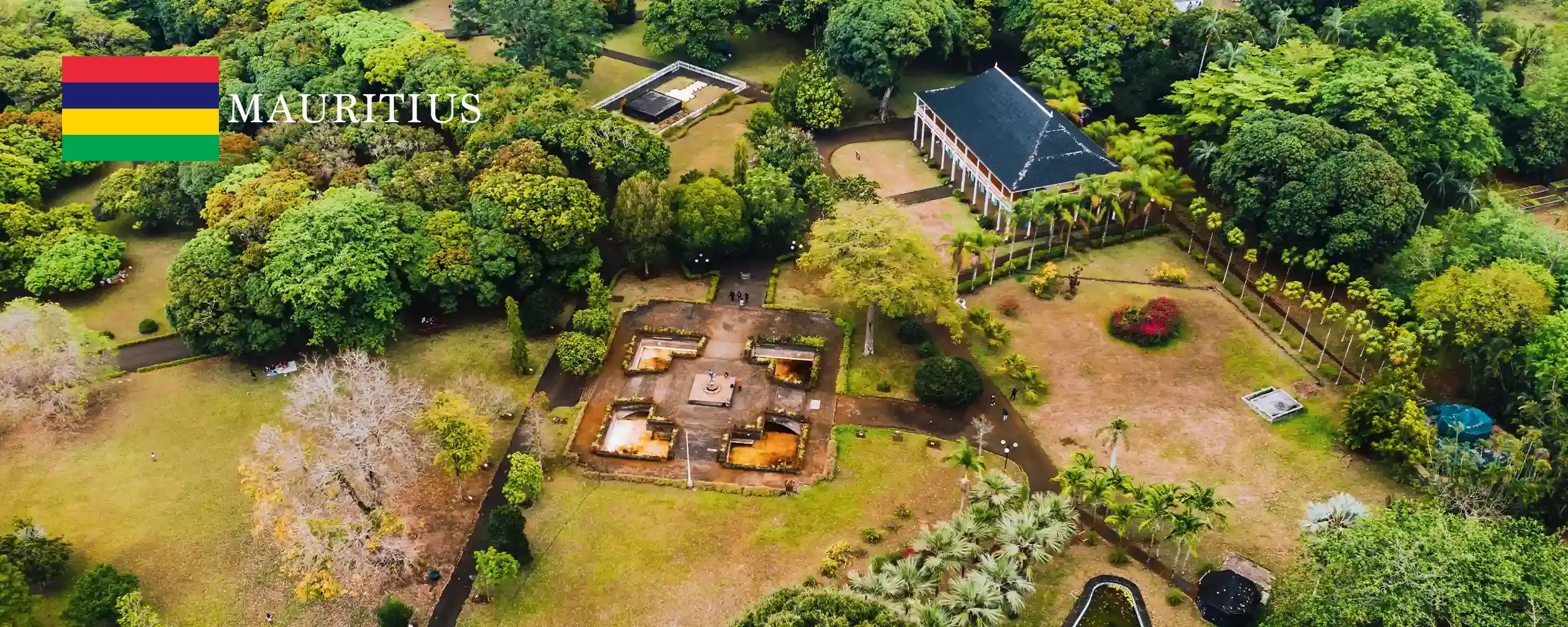
Mauritius is a small, multicultural island nation in the Indian Ocean, celebrated for its vibrant economy, stunning natural landscapes—including pristine beaches, lagoons, and mountain ranges—and a diverse cultural heritage. The country maintains a relatively stable agricultural sector and, despite importing a significant portion of its foodstuffs, has achieved a higher degree of food self-sufficiency compared to many other nations.
As one of the most prosperous economies in Africa, Mauritius thrives on tourism, textiles, sugar, and financial services. Yet, it confronts environmental challenges such as cyclones and the impacts of climate change, which threaten its agriculture and tourism industries. Its delicate ecosystems, including coral reefs and coastal areas, face risks from overfishing, pollution, and global warming.
Mauritius has made remarkable strides in social development and education, achieving near-universal literacy rates. Despite these successes, the nation continues to address income inequality and works to ensure equitable distribution of economic growth, particularly among women and youth. The government actively pursues policies to diversify the economy, invest in renewable energy, and strengthen social welfare programs.
The nation is also renowned for its peaceful coexistence among an ethnically diverse population—including individuals of Indian, African, European, and Chinese descent—who celebrate a wide array of religious and cultural festivals. This harmonious social integration stands as a significant achievement, even as Mauritius continues to address its economic and environmental vulnerabilities to sustain long-term development and social cohesion.
In collaboration, the UAN and the Government of Mauritius are committed to supporting sustainable initiatives that enhance environmental resilience, promote inclusive economic growth, and preserve cultural harmony for the benefit of all Mauritians.